Why Is the Pool Never Used on ‘Love Island USA’? Islanders Explain the Rarely Dipped Waters
Introduction
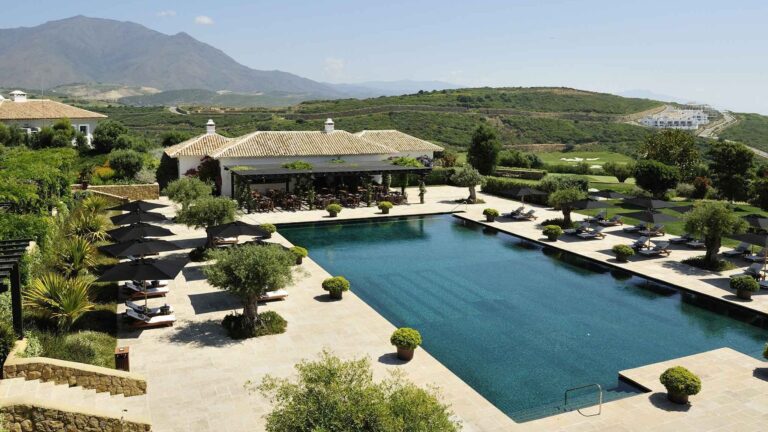
The shimmering pool at the heart of the ‘Love Island USA’ villa is often depicted as a paradise of romance and relaxation. It glistens under the sun, inviting islanders to take a dip, cool off, or engage in playful water activities. However, despite its alluring presence, the pool often seems more like a backdrop than a hotspot for the islanders. As fans tune in week after week, they can’t help but wonder: why is the pool rarely used? We explore the insights shared by islanders, delve into production choices, and consider the show’s unique dynamics that render this paradise largely untouched.
The Reality of Reality Shows
In the world of reality television, every element is meticulously curated to enhance storytelling. The ‘Love Island’ villa, with its stunning pool, is designed to be visually appealing, but that does not always equate to practical use. The islanders’ focus on social interactions, romantic entanglements, and the strategic gameplay surrounding coupling decisions often take precedence over a casual swim.
Many former islanders have commented on how the format encourages them to stay engaged with one another in various social settings, leaving little time for leisure activities like lounging by the pool. Instead of diving into the water, islanders are found deep in conversation about alliances, compatibility, or simply enjoying a drink by the edge.
Social Dynamics Over Solo Activities
When islanders enter the villa, they are immediately thrown into a high-stakes social environment. The pressure to form romantic connections, establish friendships, and navigate potential rivalries becomes a central focus. As a result, the pool, which might initially seem like a perfect spot for relaxation, takes a back seat.
“It’s all about connecting with others,” says a former islander. “The environment encourages you to be social; there’s no time to just chill in the water when you’re trying to make a love story unfold.”
Furthermore, the dynamics of the villa mean that islanders are often more inclined to engage with their fellow contestants rather than retreat to a solo activity like swimming. Whether it’s discussing strategy or participating in games, the pool becomes less a place for relaxation and more of a picturesque backdrop for islanders’ social interactions.
Event Scheduling and Production Timing
Perhaps one of the lesser-known factors behind the pool’s limited use is the production schedule. ‘Love Island USA’ follows a structured timeline that revolves around specific events, challenges, and social interactions. With challenges often taking precedence, the poolside becomes a space reserved for activities rather than downtime.
Most challenges on ‘Love Island’ are designed to bring the contestants together or to test their compatibility. These challenges can be set in different locations around the villa, often leaving no room for spontaneous pool outings. Even moments that may seem spontaneous, like impromptu games, tend to occur in other areas of the villa.
Producers prioritize the narrative flow of the show, meaning that the pool area becomes a visual element rather than a central theme. This is a strategy to keep viewers engaged with ongoing drama rather than slow-paced relaxation.
The Pool as a Metaphor
Interestingly, the rarely-used pool may also serve as a metaphor for the challenges of real relationships. Just as the islanders often find themselves diving into new emotional depths, a pool symbolizes both the potential for fun and the risks of immersion. Contestants must navigate the complexities of romantic relationships while weighing their strategic positioning within the group.
In many ways, the villa becomes a microcosm of dating life: while the pool is there, it often feels safer to stay on solid ground with friends or romantic interests rather than venturing into the potentially turbulent waters of vulnerability.
Insights From Former Islanders
Several former contestants have openly discussed this phenomenon in interviews, offering their take on why the pool has gone largely unused. Many have joked about the irony of being on ‘Love Island’ yet rarely taking advantage of the water. Some islanders have mentioned, “We would rather sit on the edge and have a deep conversation than just float around.”
A common sentiment expressed by those who have left the villa is an appreciation for the lush surroundings and the aesthetic beauty of the pool, but with the understanding that the dynamics within the villa drive a different kind of engagement. “In reality TV, it’s not just about physical attraction; it’s about building connections. That’s what made the show so addictive.”
Cultural Reception
Fans have noticed the pool’s unutilized potential, leading to discussions across social media platforms. Many viewers have pointed out the irony of a ‘Love Island’ with a pool that seems underwhelming. Some memes and content poking fun at this have surfaced, with comments like “Should we just rename the show to ‘Love No-Fun Island’?”
This light-hearted banter from fans reflects a broader engagement with the show, indicating that the audience is acutely aware of the nuances in the islanders’ lives and decisions. These conversations underscore the complexities behind reality TV narratives and the interconnectedness of entertainment and feelings.
Conclusion
The pool at the ‘Love Island USA’ villa is more than just a backdrop; it encapsulates the complexities of love, connection, and competition that define the show. While viewers may long to see the islanders splash around, the raw reality of relationship-building takes precedence. It’s a stark reminder that even in a setting designed for romance and relaxation, the pressures of reality television can often overshadow the allure of leisure. Through the tales of former contestants and the intricacies of filming, we understand why the pool remains mostly untouched— a shimmering metaphor for the deeper emotional currents at play. In the end, it’s not just about finding love; it’s about forging connections that go far beyond the surface.
About the Author