TechRadar
AMD Isn’t Giving Up on High-End GPUs: A New Leak Hints at a New Radeon GPU Challenging Nvidia’s Next-Gen Flagship Graphics Card
In the ever-evolving landscape of high-end graphics processing units (GPUs), AMD has long been a formidable competitor to Nvidia. With the advent of new technologies and consumer demands for cutting-edge gaming performance and intricate AI capabilities, the race to dominate the market is as fierce as ever. Recent leaks suggest that AMD is gearing up to unveil a new Radeon GPU intended to challenge Nvidia’s upcoming flagship model. This revelation has sparked intrigue among gamers and tech enthusiasts alike. In this blog post, we will delve into the latest leaks, analyze AMD’s strategic position, and discuss what this means for the future of gaming.
The Current GPU Landscape
Before we dive into the latest AMD revelations, it’s essential to understand the current state of the GPU market. Nvidia, with its GeForce RTX 40 series, has set new benchmarks in performance and efficiency, leveraging technologies like ray tracing and deep learning Super Sampling (DLSS) to enhance gaming experiences. Meanwhile, AMD’s Radeon RX 7000 series has made strides with its innovative RDNA architecture, offering compelling performance and value.
However, Nvidia currently retains a reputation as the go-to brand for high-end GPUs, especially among avid gamers and professionals. With its upcoming generation, the stakes are even higher. Therefore, the pressure is on AMD to not only keep pace but also to re-establish itself as a powerhouse in high-end graphics.
Signs of a New Radeon GPU
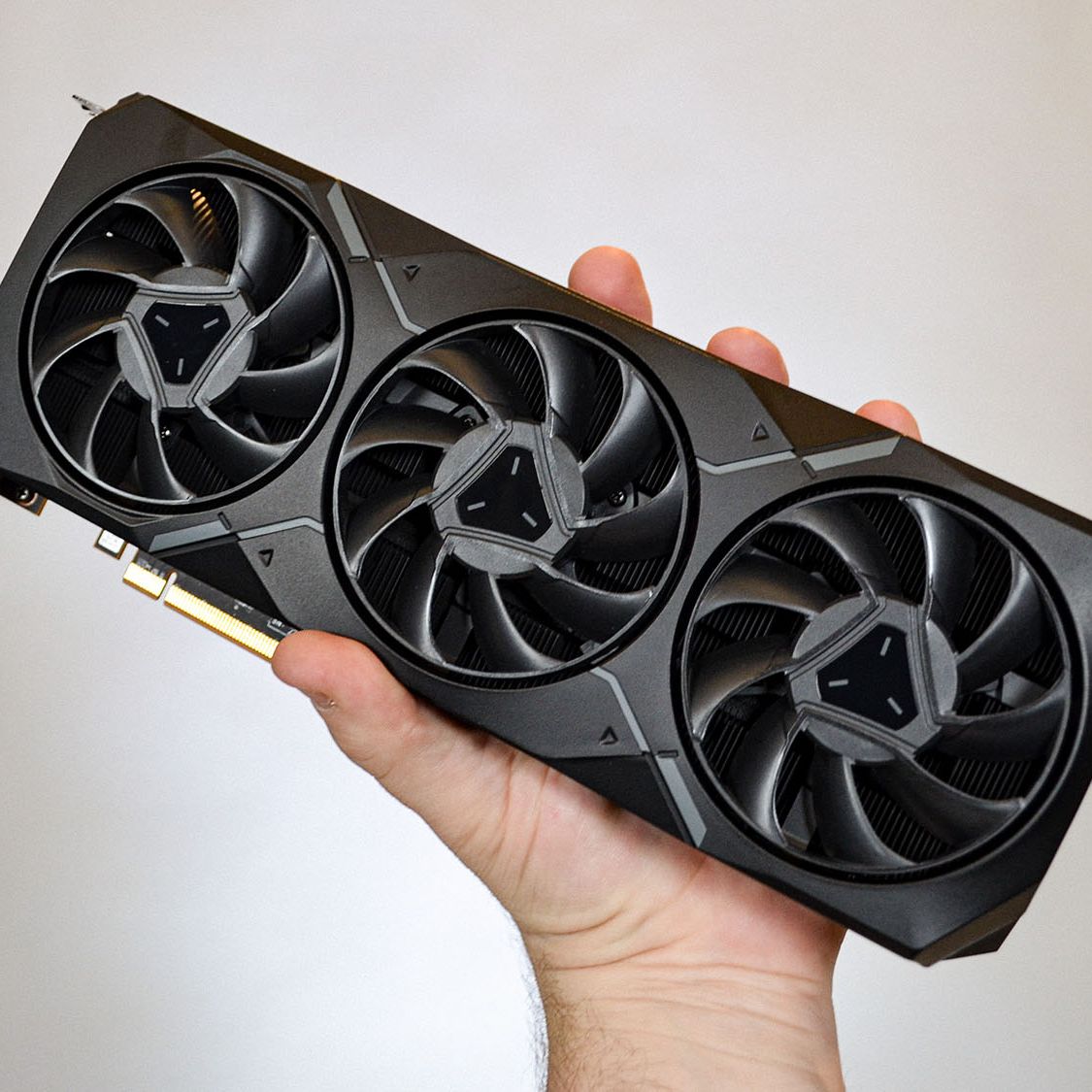
Recent leaks from credible sources have surfaced, indicating that AMD is preparing to launch a new high-end Radeon GPU that could challenge Nvidia’s next flagship. Speculation regarding design, performance capabilities, and competitive pricing has ensued. Several industry insiders suggest that this new GPU may be rooted in AMD’s RDNA 3 architecture, which promises significant performance improvements over its predecessor.
Key Features to Expect
-
Enhanced Ray Tracing: One of the primary criticisms leveled against AMD’s previous Radeon series was its ray tracing capabilities, which lagged behind Nvidia’s offerings. Industry gossip suggests that the new GPU will feature improved ray tracing performance, aiming to deliver visual fidelity that stands toe-to-toe with Nvidia’s architecture.
-
Increased VRAM: Another expected enhancement is an increase in Video RAM (VRAM) capabilities. This is crucial for high-resolution gaming and complex graphical tasks. Leaks suggest that the new GPU could ship with up to 16GB or more of GDDR6 memory, facilitating smoother performance in graphics-intensive scenarios.
- Competitively Priced: One of AMD’s strengths has traditionally been its pricing strategy. By positioning the new Radeon GPU against Nvidia at a competitive price point, AMD could entice gamers and professionals seeking performance without breaking the bank. This "value for money" approach could be a game-changer in attracting a broader audience.
What This Means for Nvidia and the Market
The prospect of a new Radeon GPU shaking up the high-end market presents both challenges and opportunities. Nvidia, known for its innovation and performance, may need to rethink its strategies, especially concerning pricing and marketing for its upcoming series.
Increased Competition Leads to Innovation
In a world where competition drives technological advancements, AMD’s resurgence in the GPU market is likely to invigorate Nvidia. If the leaks hold water and AMD successfully challenges the robustness of Nvidia’s offerings, consumers could benefit from enhanced choices and potentially lower prices. This competition may prompt Nvidia to accelerate its development timelines, paving the way for even more innovative technologies in the near future.
More Options for Gamers
For gamers, the arrival of a new player in the high-end GPU market represents exciting prospects. With AMD’s history of delivering robust performance at competitive prices, consumers could finally see a more level playing field. The introduction of new graphical features, varied price points, and transparent performance comparisons may allow gamers to make more informed decisions that align with their specific needs.
AMD’s Strategy Moving Forward
As AMD prepares to challenge Nvidia with its forthcoming high-end GPU, it is crucial to consider the broader strategy influencing its decisions.
Focus on Gamers and Content Creators
AMD seems to be honing in on a dual audience: gamers and content creators. As gaming demands increase and content creation becomes more mainstream, the expectations for graphics performance will rise as well. By targeting these two segments, AMD is laying the groundwork for a reputation not merely as a gaming GPU manufacturer but also as a viable option for professionals in graphic design, video editing, and beyond.
Leveraging Community Feedback
AMD has previously benefitted from community feedback, openly engaging with gamers and developers. This relationship nurtures loyalty and establishes a sense of belonging for users, helping AMD evolve its products according to user needs. If AMD successfully integrates this feedback into its new Radeon offering, it could see remarkable results and renewed loyalty from a once-divided user base.
Conclusion
AMD is clearly not standing idly by in the face of Nvidia’s advances in the high-end GPU market. With leaks indicating plans for a new Radeon GPU designed to challenge Nvidia’s next-gen flagship, the stage is set for a thrilling showdown. Enhanced features like improved ray tracing, higher VRAM, and competitive pricing may resonate with both gamers and professionals, offering exciting new options moving forward.
This impending launch could catalyze a new era of innovation and competition within the graphics market, ultimately benefiting consumers. For now, we eagerly await AMD’s official announcements, hopeful that they will deliver yet another game-changing product that reshapes the way we experience graphics in our favorite games and applications. As the reflection of these developments unfolds, one thing remains certain: the battle of the GPUs is far from over, and it promises to challenge and elevate the experiences of users everywhere.
About the Author