Eliza McNitt: Defending AI as a Creative Tool in Filmmaking
Introduction
In an era where technology is rapidly evolving, the fusion of artificial intelligence (AI) with creative arts has sparked an ongoing debate. Filmmakers, artists, and critics often grapple with questions regarding the authenticity, originality, and role of AI in creativity. Eliza McNitt, the visionary director behind the acclaimed film "Ancestra," stands at the forefront of this discussion. In a recent interview, McNitt passionately defended the role of AI as an innovative tool that can enhance creativity rather than replace it. This blog post delves into her perspectives and the implications of AI in the film industry, exploring how technology can serve as a partner in creativity.
Understanding AI in Filmmaking
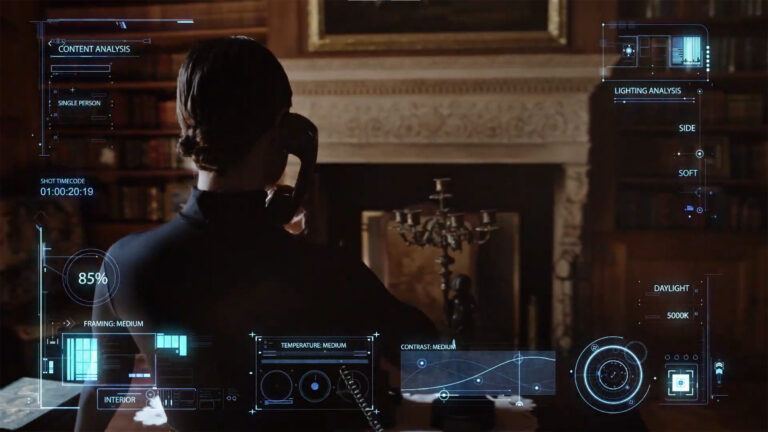
AI refers to the simulation of human intelligence processes by machines, particularly computer systems. In filmmaking, AI can assist in various ways, from scriptwriting to post-production. Tools powered by AI can analyze scripts for potential issues, generate digital effects, or even help in the casting process by identifying the best-fit actors. While some fear that AI might compromise artistic integrity, McNitt argues for its potential to revolutionize how stories are told.
AI as a Collaborative Partner
One of McNitt’s central arguments is that AI should not be viewed as a competitor to human creativity but rather as a collaborative partner. "Ancestra" showcases how AI can augment the creative process. For instance, McNitt utilized AI tools to explore visual aesthetics, helping her team conceptualize scenes that might not have been immediately apparent through traditional methods.
AI can analyze vast data sets and trends in storytelling that human creators might overlook. For example, by understanding audience preferences, filmmakers can tailor emotional beats in their narratives, ensuring deeper connections with viewers. In this sense, AI becomes a valuable resource, providing insights that enhance the storytelling process without dictating its direction.
Enhancing Accessibility in Filmmaking
Another key argument McNitt makes is the role of AI in making filmmaking more accessible. Traditionally, the film industry has been an elitist realm, often limited by the resources and connections necessary for success. However, advancements in AI technology can democratize the process, allowing aspiring filmmakers to produce high-quality content with minimal resources.
Platforms now offer AI-driven tools that facilitate everything from script development to editing. In her vision, McNitt sees a future where storytellers from diverse backgrounds can create compelling narratives without the considerable financial burden that often accompanies filmmaking. This democratization allows for a broader range of stories, representing a myriad of experiences and perspectives that enrich the film landscape.
Addressing Ethical Concerns
Despite the exciting potential, ethical concerns surrounding AI in filmmaking cannot be overlooked. Questions about copyright, originality, and the potential for biased narratives arise when machines begin to influence creative processes. McNitt acknowledges these valid concerns, emphasizing the need for ethical guidelines to govern AI use in the industry.
As the creative community embraces AI, it’s essential to develop frameworks that ensure responsible use. McNitt insists that human oversight remains crucial; ultimate creative decisions should reside with the filmmakers, not algorithms. By fostering a collaborative approach where AI assists rather than dictates, creators can mitigate risks related to bias and promote ethical storytelling.
Case Studies in AI-Enhanced Creativity
To support her views, McNitt cites various case studies showcasing successful integrations of AI in filmmaking. One notable example is the use of AI-generated scripts in short films, where algorithms analyze countless story arcs to produce unique narratives. This doesn’t mean filmmakers accept these scripts as final products; rather, they serve as inspirational starting points, sparking human creativity further.
Moreover, she references projects where AI-assisted visual effects have enabled creators to achieve previously unattainable artistry. By automating the tedious process of digital manipulation, filmmakers can devote more time to storytelling and emotion. For McNitt, these successful integrations illustrate AI as a tool that can elevate the craft, allowing for greater innovation and experimentation.
The Future of AI in Filmmaking
As the technology advances, the potential applications of AI in filmmaking will continue to expand. McNitt envisions a future where AI tools evolve to better understand human emotions and storytelling nuances, offering more precise assistance in the creative process. However, she stresses that regardless of how advanced AI becomes, the human touch will always be irreplaceable in artistry.
Inspiring Future Generations
McNitt’s defense of AI is particularly crucial for inspiring future generations of filmmakers. By embracing technology as a creative ally, young creatives can harness the power of AI to magnify their storytelling capabilities. This empowers a new wave of filmmakers to break traditional barriers and experiment with innovative techniques, reimagining how stories are told on screen.
The possibility of democratization, accessibility, and creative collaboration rooted in AI poses an exciting outlook for the future of filmmaking. McNitt believes that by fostering an environment that encourages experimentation with AI, the industry can continue to evolve into one that reflects an increasingly diverse and complex world.
Conclusion
Eliza McNitt’s advocacy for AI as a creative tool in filmmaking opens the door to rich conversations about the intersection of technology and creativity. As the industry navigates the complexities of using AI, her insights serve as a compelling reminder that technology can be a powerful ally rather than a fearsome adversary.
Through responsible usage, collaboration, and ethical considerations, the film industry can tap into the boundless possibilities that AI offers. Rather than stifling creativity, AI stands poised to enhance and broaden the scope of storytelling, allowing filmmakers to forge new paths and discover untold narratives. The future of cinema, as McNitt envisions, is one where the imagination of human creators partnered with AI would inspire a creative renaissance unlike any we have seen before.
About the Author