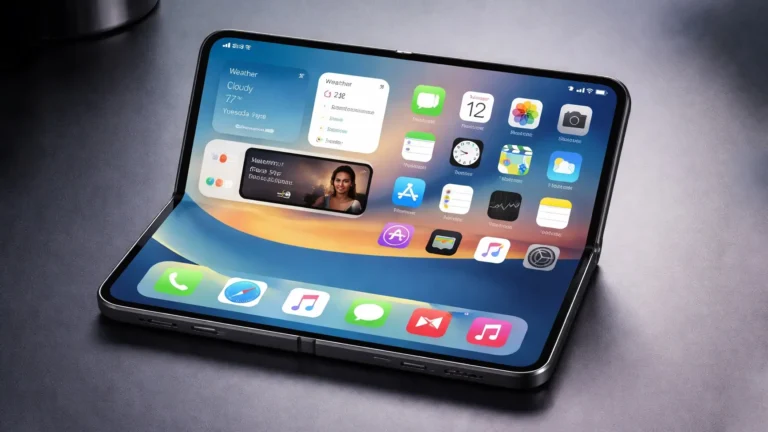
Apple’s Foldable iPhone to Feature Samsung Parts; Will Resemble Galaxy Z Fold Series: Mark Gurman
The world of smartphones is ever-evolving, with innovation being the key to capturing consumer interest and enhancing user experience. Recently, notable industry analyst Mark Gurman dropped a bombshell about Apple’s anticipated entry into the foldable smartphone market. According to Gurman, Apple’s foldable iPhone is set to incorporate parts from South Korean tech giant Samsung, closely resembling the design and functionality of the Galaxy Z Fold series. Let’s dive deeper into these exciting developments and what they could mean for Apple fans and the smartphone landscape.
The Rise of Foldable Technology
Over the past few years, foldable smartphones have shifted from a concept to a mainstream product, thanks in large part to pioneers like Samsung. The Galaxy Z Fold series has showcased the versatility that these devices can offer, combining both a smartphone and tablet experience into one. With the success of these devices, other major tech companies are now keen to enter the foldable arena. Apple’s rumored foldable iPhone could be their response to the evolving market demands for innovative form factors.
Foldable technology allows for larger displays that enhance multitasking and immerse users in media consumption, all while maintaining a compact form factor. This is a game-changing innovation that aligns with Apple’s history of embracing new technologies to enhance user experiences.
Mark Gurman’s Insights
Mark Gurman, a seasoned Apple journalist for Bloomberg, has a knack for uncovering reliable information about future Apple products. His recent claims regarding Apple’s forthcoming foldable iPhone have resonated throughout the tech community, particularly because they echo Apple’s strategic moves to partner with other tech giants. Notably, the suggestion that the iPhone will feature Samsung parts reflects a pragmatic approach from Apple—leveraging existing technologies to expedite their own development.
Gurman suggests that this foldable iPhone will likely look and function similarly to Samsung’s Galaxy Z Fold series. This resemblance would not only showcase Apple’s commitment to innovation but could also provide insights into their design philosophy in an increasingly competitive market.
Collaborations and Innovations: Samsung’s Parts in Focus
It’s well known that Apple often prioritizes high-quality parts and precision engineering. The use of Samsung components, particularly in displays, isn’t a new trend; Apple has previously sourced OLED and LCD technology from Samsung for various iPhone models. However, incorporating parts specifically for a foldable device marks a significant step.
Samsung has years of experience in foldable technology, which has allowed them to refine their displays to handle the unique stresses of folding. By utilizing Samsung’s parts, Apple could potentially speed up its development timeline while ensuring that the end product meets their high standards. This collaborative trend reflects a larger industry reality: leading tech companies often share resources and form partnerships to enhance product offerings.
Design and Features: What to Expect
While exact specifications and features of the foldable iPhone remain shrouded in uncertainty, there are several probable design elements and functionalities that consumers can anticipate:
Screen and Durability
As per Gurman’s insights, the device is expected to adopt a similar form factor to the Galaxy Z Fold series. This could mean a large, flexible main display that opens like a book. However, Apple’s design philosophy may introduce its unique touches, such as a sleeker hinge mechanism or a more refined folding technology.
Software Experience
A hallmark of Apple products is their seamless integration of hardware and software. iOS is expected to undergo significant adaptations to fully leverage the capabilities of a foldable display. Features like multi-app viewing, which are already present on the Galaxy Z Fold, could make their way into an Apple ecosystem, offering users the ability to run multiple applications side-by-side efficiently.
Environmental Considerations
With growing concerns about environmental sustainability, Apple has committed to lowering its carbon footprint. If the foldable iPhone utilizes recycled components and materials, it could set a new precedent for how foldable devices are manufactured, aligning with Apple’s goals.
Impact on the Marketplace
The entry of a foldable iPhone into the smartphone market could catalyze significant changes. Here are a few potential implications:
Competitive Pressure
If Apple successfully rolls out a competitive foldable phone, it could force other brands to expedite their foldable technologies or innovate further. Competition drives advancement, and an Apple foldable can raise the bar for features and design aesthetics.
Consumer Expectations
The introduction of a foldable iPhone is likely to reshape consumer expectations regarding form factors and functionality. Apple has a significant influence in the tech sphere, and as they venture into a new domain, consumers will expect other manufacturers to keep pace.
Conclusion: A New Era for iPhone
While the exact release date and specifications of Apple’s foldable iPhone remain speculative, the implications of Gurman’s report cannot be understated. By potentially leveraging Samsung technology and aligning itself with the features that have already made foldable devices popular, Apple is gearing up for an exciting new chapter in smartphone innovation.
The anticipation surrounding this device signals a broader eagerness for novel technology that blends versatility, design, and user experience. As the world watches closely, it seems clear that Apple’s foldable iPhone could redefine what consumers expect from their devices—paving the way for a future where smartphones are not just tools but gateways to immersive experiences. The journey from rumor to reality will be watched with bated breath by consumers and industry analysts alike.
About the Author