Eddington: Cinematographer Darius Khondji on Ari Aster
In the realm of modern cinema, the collaboration between a director and a cinematographer can elevate a film from merely good to truly extraordinary. One such remarkable partnership is between Ari Aster, the visionary filmmaker behind acclaimed horror films like "Hereditary" and "Midsommar," and Darius Khondji, a celebrated cinematographer known for his lush, atmospheric visuals. In this blog post, we will explore Khondji’s insights into Aster’s unique cinematic language, the nuances of their collaborative process, and the distinct stylistic features that emerge when artistic minds converge.
The Visionary: Ari Aster
Before we delve into the technical aspects of their collaboration, it’s important to understand who Ari Aster is and what he brings to the table. Bursting onto the scene with "Hereditary" in 2018, Aster quickly became a household name in the horror genre. His films are characterized by deep psychological themes, familial tensions, and an uncanny ability to evoke both dread and empathy in audiences. Aster’s narratives often explore the dark corners of the human psyche, making each frame rich with potential for visual storytelling.
A Unique Filmmaking Approach
Ari Aster approaches filmmaking with a distinct style that merges classical storytelling with innovative techniques. He often employs a slow-burn narrative, allowing tension to build gradually. As a result, every shot is carefully crafted to heighten suspense. This method aligns well with Khondji’s cinematographic style, adding layers of depth and complexity to Aster’s narratives.
The Maestro of Light: Darius Khondji
Darius Khondji is not your run-of-the-mill cinematographer; his work has earned him acclaim and a dedicated following. Khondji has collaborated with renowned directors like David Fincher and Jean-Pierre Jeunet, always bringing a unique touch to every project. His visually arresting cinematography often features rich, textured imagery and a keen understanding of light and shadow.
A Collaboration of Minds
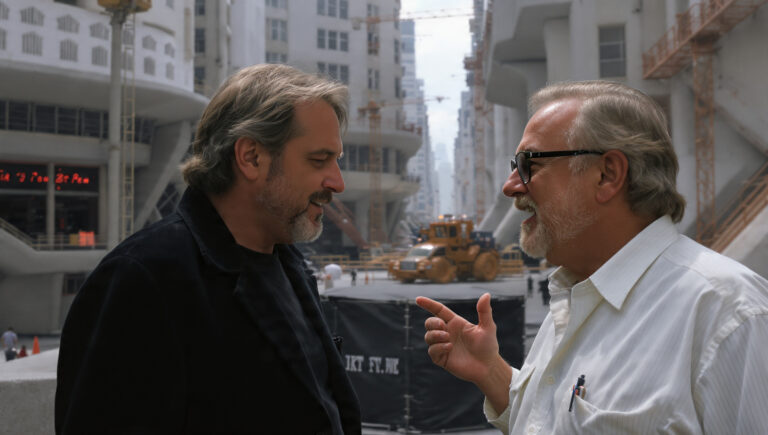
When Aster and Khondji came together for "Midsommar," the creative chemistry was immediately evident. While Aster’s scripts establish an intense emotional landscape, it is Khondji’s cinematography that breathes life into these narratives. This connection between the two artists enhances the story, allowing the audience to feel the weight of Aster’s themes on a visual level.
In interviews, Khondji has praised Aster’s dedication to detail, emphasizing how Aster’s meticulous approach helps in crafting memorable visual moments. “He has a clear vision from the outset,” Khondji has remarked, which allows the cinematographer to work in tandem with Aster’s overarching concept.
Crafting Visual Narratives: Techniques and Styles
Textures of Emotion
One of the most striking characteristics of Khondji’s work is his ability to translate emotional textures into visual forms. For "Midsommar," the predominantly daylight setting offered a challenge: how to create a sense of unease in a brightly lit environment. Khondji addressed this by manipulating colors and textures. By using a palette that emphasized vibrancy but with a slight tint of abnormality, he was able to craft an unsettling ambiance.
In his conversations with Aster, Khondji has noted that they often talk about how to create emotional resonance through visual choices. Each scene is meticulously planned, ensuring that every element—from framing to lens choice—serves the storytelling.
The Language of Shadows
While Aster’s narratives often thrive in daylight, Khondji is a master of shadows and moody environments. Whether it’s the claustrophobic interiors of "Hereditary" or the sprawling, yet isolating landscapes of "Midsommar," every frame carries a sense of foreboding. Khondji once stated that light and darkness are not just technical elements; they are characters in their own right.
In "Hereditary," for instance, Khondji’s lighting choices enhance the film’s psychological horror, creating an atmosphere that is as haunting as Aster’s narrative backdrop. The strategic use of shadows not only amplifies tension but also serves as a device to explore the characters’ inner turmoil.
The Dynamic Range of Color
Khondji’s astute understanding of color dynamics plays a significant role in both Aster’s films. Vibrant colors in "Midsommar" serve to contrast the film’s darker undertones, enriching the viewing experience. The lush greens of the Swedish countryside juxtaposed with the vibrant costumes of the cult members create an almost surreal quality—a visual metaphor for the tension between paradise and nightmare.
In interviews, Khondji discusses how color grading enables filmmakers to breathe life into their stories. By collaborating closely with Aster during the post-production phase, he helps enhance the emotional impact of each scene, making sure that the colors communicate the underlying tensions of the narrative.
An Evolving Partnership
The collaboration between Aster and Khondji has already proven fruitful, but the possibilities for the future are boundless. Their combined talents show promise for emerging themes and styles that could challenge traditional filmmaking.
The Future Aster-Khondji Collaboration
In future projects, audiences can expect to witness their growth as a duo. Based on their current synergy, one can only imagine what cinematic secrets await us. With Aster’s penchant for exploring darker themes and Khondji’s expertise in weaving visual brilliance, they might uncover new dimensions of storytelling that have yet to be explored in the film landscape.
Conclusion
The collaboration between Darius Khondji and Ari Aster exemplifies the power of synergy in filmmaking. As a cinematographer, Khondji brings a depth of emotion and visual richness that enhances Aster’s poignant storytelling. Together, they create a unique blend of horror and beauty that captivates audiences.
As they continue to collaborate, viewers will undoubtedly be treated to more visually stunning narratives that push the boundaries of genre cinema. Their partnership is a testament to how artistry and vision can come together to craft unforgettable cinematic experiences. And as Khondji eloquently puts it, “The true essence of cinema lies in the collaboration of minds and visions.”
About the Author