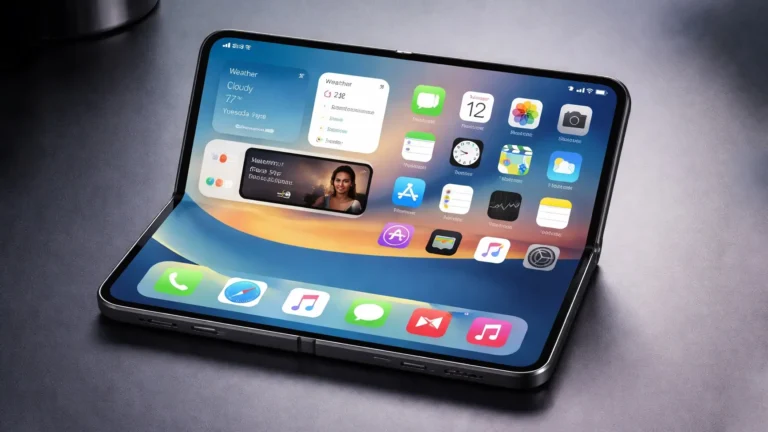
iPhone 17 Pro, iPhone 17 Pro Max: Could They Ditch Titanium for Aluminum Frame?
The anticipation surrounding Apple’s next flagship models, the iPhone 17 Pro and iPhone 17 Pro Max, is palpable, especially as rumors swirl regarding potential design changes. One of the most discussed topics is the possible shift from a titanium framework back to an aluminum one. As evolving materials have a significant impact on phone aesthetics, durability, and weight, the implications of such a move could be profound. Let’s dive into what this might mean for the upcoming models.
A Brief History of iPhone Materials
Over the years, Apple has seen a variety of materials used in their iPhone range. Initially, aluminum was the star, lending the iPhone a sleek, premium finish. As technology evolved, Apple began experimenting with other materials, notably glass and stainless steel, to enhance both durability and design aesthetics.
The most recent iPhone 14 Pro series introduced titanium, a material known for its amazing strength-to-weight ratio. This choice not only provided a more robust frame but also helped reduce the overall weight of the devices. Now, speculation suggests that Apple might consider a return to aluminum, prompting a closer investigation into what that could mean for users.
Benefits of Aluminum in Smartphones
Switching back to aluminum could bring several advantages for the iPhone 17 Pro and Pro Max:
1. Weight Considerations
One of the most significant benefits of aluminum over titanium is weight. While titanium is incredibly durable, it is also heavier, contributing to the overall heft of devices. Aluminum has a distinct advantage in this regard: it is lighter while still providing adequate strength.
2. Cost Efficiency
Aluminum is generally less expensive than titanium. If Apple opts for an aluminum frame, it could reduce production costs, which might be reflected in the pricing of the iPhone 17 Pro and Pro Max. For consumers, this could mean a lower entry barrier for high-end iPhone models, making them more accessible to a broader audience.
3. Enhanced Aesthetic Appeal
Apple has a history of prioritizing design in its products. An aluminum frame could allow for greater design flexibility, including a variety of colors and finishes. While titanium provides a unique look, aluminum’s versatility might inspire new aesthetics that could rejuvenate the iPhone lineup’s visual appeal.
Challenges of Returning to Aluminum
While aluminum holds many potential advantages, there are also challenges and trade-offs that Apple would need to consider if they make this switch.
1. Durability Concerns
One of the main reasons Apple transitioned to titanium was its superior strength and durability. Aluminum, while still robust, is less resistant to dings, dents, and scratches. Users who prioritize durability in a smartphone might view this potential transition as a downside, especially in an era where ruggedness is increasingly valued.
2. Perceived Value
Apple has positioned its Pro series as premium products. The use of titanium adds an air of luxury and enhances perceived value among consumers. A return to aluminum could impact how the iPhone 17 Pro and Pro Max are viewed in the market, possibly leading some to question whether they’re truly "Pro" devices.
3. Performance in Real-World Conditions
How materials perform in actual use can differ significantly from laboratory tests. Factors like temperature, moisture, and everyday wear and tear can all affect how a smartphone holds up over time. Aluminum might not perform as well in high-stress conditions, which could result in increased warranty claims or customer complaints.
Historical Precedents and Market Trends
The smartphone landscape is filled with examples of material changes impacting consumer perceptions. For instance, when Samsung shifted from plastics to glass and aluminum for its Galaxy line, the market responded positively, validating the premium pricing. Apple has long been known for its willingness to experiment, making this rumored change not entirely unprecedented.
Moreover, the market trend toward sustainability and eco-friendliness could influence material choices. Aluminum is often touted as more recyclable compared to titanium, aligning with Apple’s commitment to reducing its environmental impact. If the switch aligns with Apple’s ecological targets, this could promote consumer goodwill.
Expectations for iPhone 17 Series
As the launch date for the iPhone 17 Pro and Pro Max approaches, consumers are left speculating on what features will truly set these models apart. Current rumors suggest not just material changes but also significant advancements in camera technology, battery life, and processing power.
Camera Advancements
The iPhone series has always excelled in photography; the next iteration is expected to push this boundary further. Innovations in camera sensors and computational photography could drastically improve photo quality, making the choice of frame material somewhat overshadowed by the capabilities of the device’s camera system.
Battery Life
With rumors of enhanced battery capacity and efficiency, consumers might prioritize battery life over material choice in their purchasing decisions. If Apple can deliver extended battery life alongside performance improvements, the allure of an aluminum frame may not be as significant a deal breaker.
Conclusion
The potential shift from titanium to aluminum in the iPhone 17 Pro and Pro Max lineup raises intriguing questions about durability, cost, aesthetics, and overall device performance. As consumers eagerly await Apple’s official announcements, it is essential to consider both the benefits and drawbacks of each material. Ultimately, whether the iPhone 17 series ditches titanium or maintains its premium status with this resilient material, Apple’s ability to keep evolving, innovating, and surprising its users remains the hallmark of its enduring legacy.
As we move closer to the expected release, many will be watching closely, eager to see not just what materials are used, but how they embody Apple’s pursuit of perfection in the smartphone market. The iPhone 17 Pro and Pro Max may indeed be on the brink of a new chapter, inviting consumers to join in for yet another technological journey.
About the Author